Frontend development
Building responsive, accessible interfaces and the interactions through which users work with the application.
Full-stack web development for software that stays fast, secure and ready to scale.
Web engineering provides the foundation for digital products that people use, businesses operate and teams rely on. Our teams bring together the interface, application logic, data and connections to other systems that make these products work.
Architecture, security, performance and the way systems exchange data are planned together from the start. This gives the application a clear path for new features, more users and increasingly demanding operations.
Building responsive, accessible interfaces and the interactions through which users work with the application.
Developing the application architecture, core functionality and rules that support its features and workflows.
Organising, storing and processing application data, including databases, search and data migration.
Connecting the application with other software and services, including payments, communication and business systems.
Implementing access controls, protecting data and testing how the application performs as usage grows.
Managing releases, maintaining existing applications and improving their features, structure and underlying technologies.
Architecture and implementation choices are based on product needs, existing systems and operating constraints. Trade-offs in performance, complexity and cost are made clear, and significant decisions are recorded for future development.
Development is organised into focused changes that can be understood, reviewed and tested. Each change is checked in context, including its effect on data, connected systems and existing behaviour.
Security, accessibility and performance are considered as features are built. Automated checks and targeted testing verify the application against its functional and operational requirements.
System structure, dependencies, interfaces and operating procedures are documented alongside the application. This gives the teams responsible for development and support the context needed to understand it and make informed changes.
Changes are released through a repeatable process, with automated builds and deployments where the environment supports them. Each release has clear checks after deployment and a defined rollback path.
A selection of tools we use, chosen to fit the work and existing systems.
Front-end
Back-end
Data & APIs
Integrations
Both. We can develop a defined part of an existing product or bring together the interface, backend, data and integrations for a complete application. The boundaries and responsibilities are agreed before work begins.
Yes. We assess the current architecture, code, performance and release process, then identify changes that address the actual constraints. A rebuild is considered when improving the existing application would cost more or leave important problems unresolved.
Where it remains suitable, yes. We review the stack against the product’s requirements and the ability to maintain it. If a change is warranted, we explain the benefit, migration work and long-term cost before recommending it.
Yes. We work with existing APIs, data sources and third-party services, including business systems and payment providers. We establish how data and responsibilities move between systems and address limitations early.
Release checks, monitoring and support responsibilities are planned before launch. We can continue improving and maintaining the application or document the system and release process for the team that will operate it.
A few engagements we’re proud of. Shipped, scaled, and still in production.
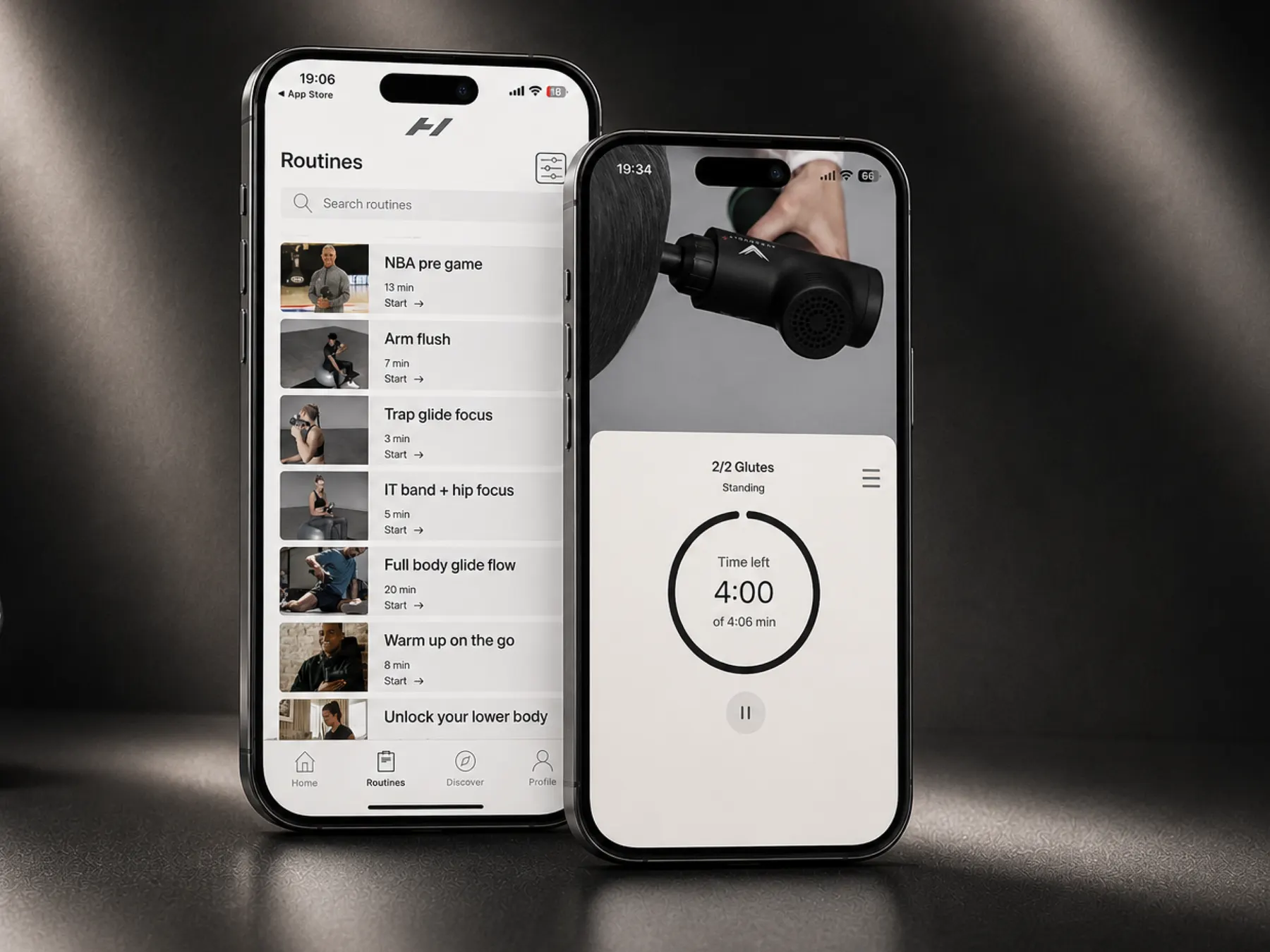

Travel booking websites managed through a shared platform
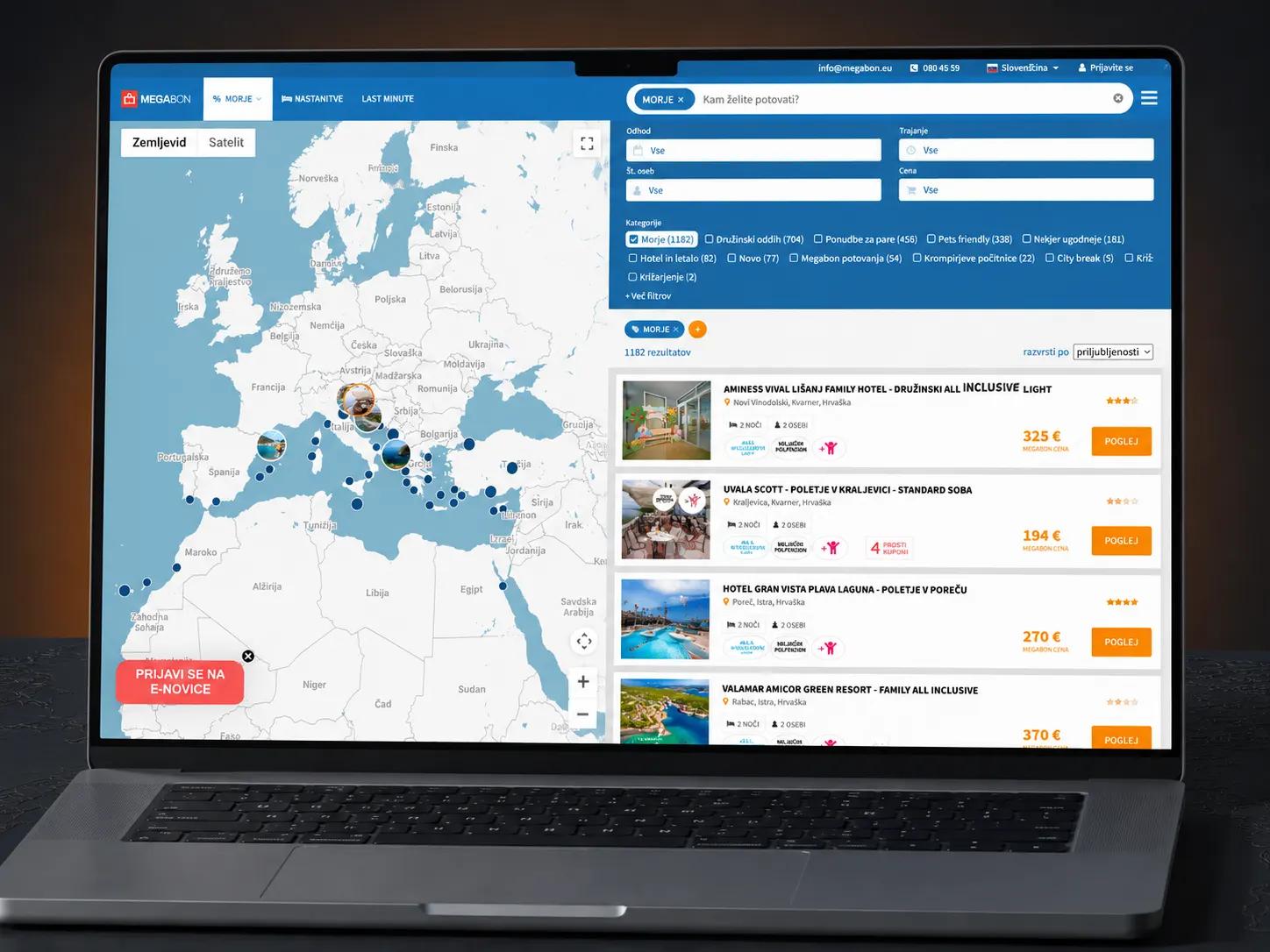
Backend modernisation and booking tools for travel offers
The complex, the critical, the bold. We’ll tell you how we’d ship it.